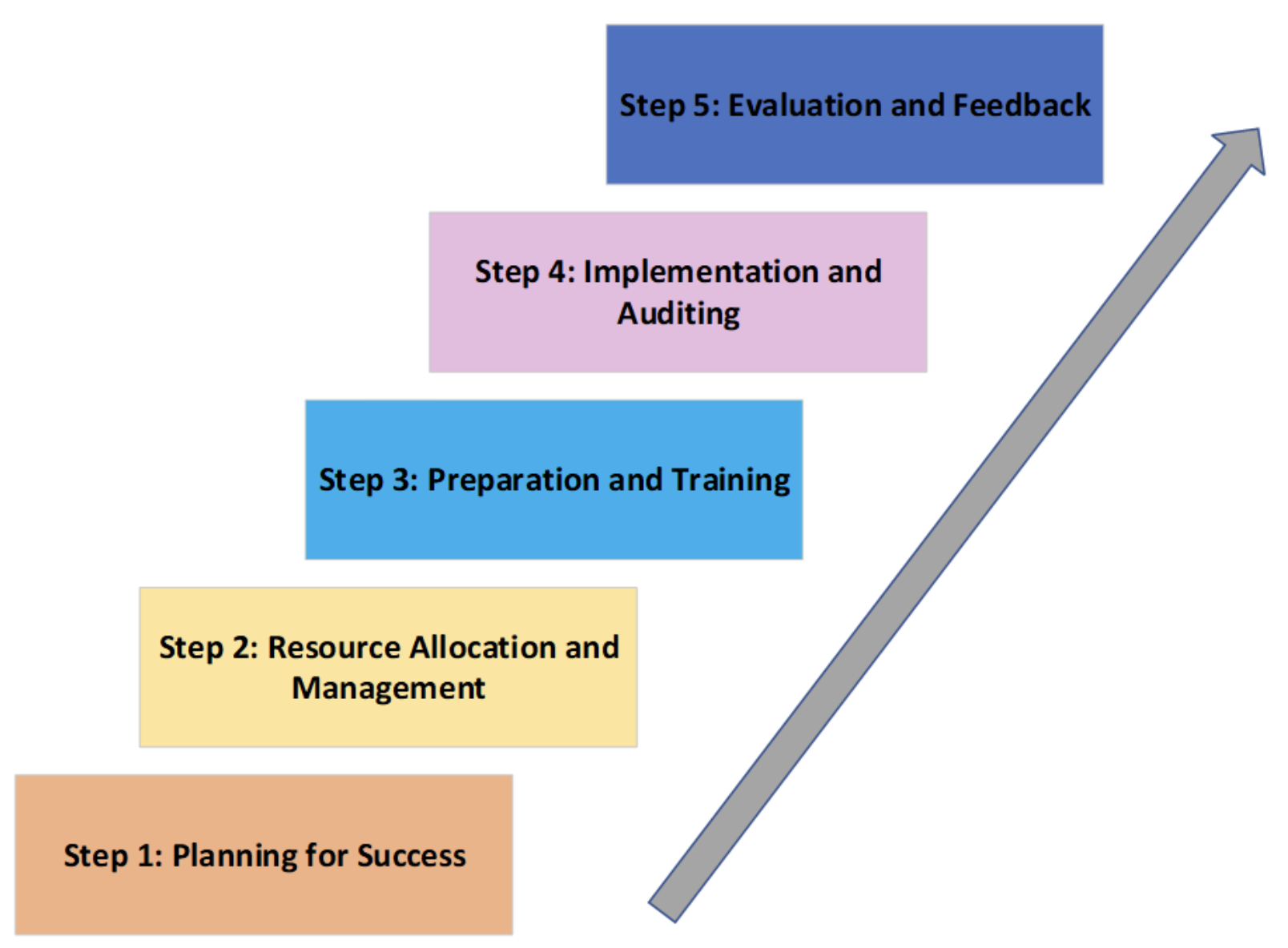
図3. SE を実装する際の本質的なステップ。(SEBoK Original)
Barriers to Successful Embedding of Systems Engineering into Organizations
The landscape of industry is evolving rapidly, presenting formidable challenges in the development of complex technical products. Systems Engineering (SE) emerges as a promising solution to tackle these challenges. In recent years, the awareness and significance of SE have surged within industry sectors such as automotive, railway, aerospace, and defense. However, the actual embedding of SE into organizational frameworks poses a significant challenge for many companies operating within these sectors and others.
産業を取り巻く状況は急速に変化しており、複雑な技術製品の開発に手ごわい課題を突きつけている。システムズエンジニアリング(Systems Engineering、SE)は、こうした課題に取り組むための有望なソリューションとして台頭している。近年、自動車、鉄道、航空宇宙、防衛などの産業部門では、SE に対する認識とその重要性が急速に高まっている。しかし、SE を組織の枠組みに実際に組み込むことは、これらの部門やその他の部門で事業を営む多くの企業にとって、重大な課題となっている。
Introducing SE entails not only dealing with technical complexity but also significant human aspects of change which are critical to ensuring stakeholder engagement, smooth adoption, and the long-term success of the initiative. Various impacts of change, including restructuring, reengineering, and cultural shifts, must be addressed through effective change management techniques to ensure successful SE integration.
SE の導入には、技術的な複雑さへの対処だけでなく、組織変革に伴う人の側面への対処も伴う。この人間的側面は、ステークホルダーの関与、円滑な採用、そしてイニシアチブの長期的な成功を確実にするうえで重要である。再構築、リエンジニアリング、文化の転換を含め、変更がもたらすさまざまな影響には、SE の統合を成功させるために、効果的な組織変革マネジメントの手法によって対処しなければならない。
This article aims to delve into the complexities surrounding the embedding of SE into organizations. By examining the struggles encountered by companies, we seek to uncover the underlying reasons behind these challenges. Expectations towards SE are scrutinized, and an analysis of the barriers hindering its adoption is presented, drawing insights from the experiences of two non-participating customers. Additionally, we outline ten essential requirements crucial for the successful embedding of SE, comparing them with available introduction methodologies.
本記事は、SE を組織に組み込むことにまつわる複雑さを掘り下げることを目指す。企業が直面する苦闘を検討することで、こうした課題の背後にある根本的な理由を明らかにしようとするものである。SE への期待が精査され、その採用を妨げる障壁の分析が、参加していない2社の顧客の経験から得た洞察を引きながら提示される。さらに、SE の組み込みを成功させるために不可欠な10の要求事項を概説し、それらを利用可能な導入方法論と比較する。
Systems Engineering (SE) offers an approach to handle complexity. Despite these potential benefits in product development, the adoption of SE varies significantly by industry, being more prevalent in the aerospace, defense, and automotive sectors than in other areas. Furthermore, SE is more commonly used in large corporations than small and medium-sized enterprises (SMEs). SMEs face challenges in accessing and building SE expertise due to limited resources and varying SE needs depending on the specific projects and applications of each SME.
システムズエンジニアリング(SE)は、複雑さに対処するためのアプローチを提供する。製品開発においてこうした潜在的な恩恵があるにもかかわらず、SE の採用状況は産業によって大きく異なり、航空宇宙、防衛、自動車の部門では他の領域よりも普及している。さらに、SE は中小企業(SME)よりも大企業で一般的に用いられている。SME は、資源が限られていることに加え、SE のニーズが各 SME の具体的なプロジェクトや応用によって異なるため、SE の専門知識へのアクセスとその構築に課題を抱えている。
The complexity of products and their development is rising due to trends like digitalization, globalization, and sustainability. Companies are encountering new hurdles as they transition from traditional mechatronic products to autonomous, interactive, and dynamically networked systems. This shift, along with the increasing interdisciplinarity of their systems and enhanced networking with other systems, contributes to the escalating complexity in product development.
製品とその開発の複雑さは、デジタル化、グローバル化、持続可能性といった潮流によって増大している。企業は、従来のメカトロニクス製品から、自律的で対話的、かつ動的にネットワーク化されたシステムへと移行するなかで、新たな障害に直面している。この転換は、自社のシステムの学際性の高まりや、他のシステムとのネットワーク化の強化と相まって、製品開発における複雑さの増大の一因となっている。
While SE is a holistic approach to address such challenges, its adoption remains relatively nascent within organizations. Historically, development approaches have been discipline-oriented, lacking the systemic perspective required for tomorrow's products. Consequently, the introduction of SE presents a formidable challenge, given the established discipline-centric mindset prevalent in all industries and application domains.
SE はこうした課題に対処する全体的なアプローチであるが、組織における採用は依然として比較的初期の段階にとどまっている。歴史的に、開発アプローチは分野指向であり、これからの製品に必要な、システム全体を捉える視点を欠いてきた。そのため、あらゆる産業と応用領域に分野中心の考え方が定着していることを考えると、SE の導入は手ごわい課題となる。
The Capability Model approach recognizes that building a lasting organizational capability requires more than process and tools. As illustrated in the Figure 1 below, the elements that build up a SE organizational capability include Governance, Organisation, Process, Process support, Information and Technology & Infrastructure.
能力モデルのアプローチは、持続的な組織能力を構築するにはプロセスとツール以上のものが必要であることを認識している。下の図1に示すように、SE の組織能力を構成する要素には、ガバナンス、組織、プロセス、プロセス支援、情報、技術とインフラストラクチャがある。
Figure 1. The Capability Model (Strandberg, et al, 2024). Copyright © (2024). All Rights Reserved. Reprinted by Permission. All other rights are reserved by the copyright owner.
図1. 能力モデル(Strandberg, et al, 2024)。Copyright © (2024). All Rights Reserved. Reprinted by Permission. All other rights are reserved by the copyright owner.
この図は原典のページに掲載されています。権利の都合により本サイトでは省略しています。原典で見る
Furthermore, the level of organizational capability needed should be based on the context in which it operates. The contextual factors can be divided into Business, Organizational and Product related aspects as shown in Figure 2.
さらに、必要とされる組織能力の水準は、その能力が機能する文脈に基づいて定めるべきである。文脈上の要因は、図2に示すように、ビジネス、組織、製品に関連する側面に分けることができる。
A capability the ability of an entity (department, organization, person, system) to achieve its objectives, specifically in relation to its overall mission. Only when this is used in business operations will the desired effects, such as improved quality, reduced lead-times and enhanced cost-effectiveness, be realized.
能力とは、実体(部門、組織、人、システム)が、特にその全体的なミッションとの関連において、自らの目的を達成する力である。能力がビジネス運用で用いられてはじめて、品質の改善、リードタイムの短縮、費用対効果の向上といった望ましい効果が実現される。
Figure 2. The Capability Model with Contextual Factors (Strandberg, et al, 2024). Copyright © (2024). All Rights Reserved. Reprinted by Permission. All other rights are reserved by the copyright owner.
図2. 文脈上の要因を伴う能力モデル(Strandberg, et al, 2024)。Copyright © (2024). All Rights Reserved. Reprinted by Permission. All other rights are reserved by the copyright owner.
この図は原典のページに掲載されています。権利の都合により本サイトでは省略しています。原典で見る
Any embedding of SE in an organization should start with a formulation of the Why. As illustrated in the Capability Model, this falls under the Governance element. One common approach involves the tailoring and implementation of recognized standards, such as those outlined by the International Organization for Standardization (ISO). This strategic framework outlines the essential steps involved in implementing SE standards as shown in Figure 3, offering organizations a roadmap for success.
組織への SE の組み込みは、なぜ(Why)の定式化から始めるべきである。能力モデルに示されているように、これはガバナンスの要素に該当する。一般的なアプローチの一つは、国際標準化機構(ISO)が示すものなど、認められた標準をテーラリングして実装することである。この戦略的枠組みは、図3に示すように SE 標準を実装する際の本質的なステップを概説しており、組織に成功へのロードマップを提供する。
図中の英語
The first stage in implementing an SE standard is thorough planning to ensure smooth integration. This phase includes: *To understand the current maturity of the organization, baselining what is done or not done and then considering how you might effectively implement. *Identifying the appropriate industry standards that the organization will seek to comply with and the level of capability desired. Many of these standards describe a list of activities to be performed by an organization and its projects to demonstrate the capability. *Identifying gaps and areas of non-compliance by mapping current activities against the established activities within the standards for the capability to be achieved. *Evaluating the necessary process and organizational changes for successful embedding of SE. *Securing commitment and support from organizational leadership for the resources required (and maintaining this commitment throughout the implementation process).
SE 標準を実装する最初の段階は、円滑な統合を確実にするための徹底した計画である。このフェーズには以下が含まれる:
Proper resource allocation is critical for successful SE standard implementation. This step involves: *Appointing a dedicated SE standard implementation manager to oversee the process and ensure timelines and objectives are met. *Developing a detailed resource plan and schedule, outlining the allocation of personnel, finances, and technological infrastructure needed for SE implementation. *Gaining approval from organizational leadership for funding and scheduling to ensure smooth execution of the implementation plan.
適切な資源配分は、SE 標準の実装を成功させるうえで重要である。このステップには以下が含まれる:
Preparing the organization for embedding of SE requires effective communication and comprehensive training initiatives. This phase includes: *Creating a communication and training plan to disseminate information about SE standards and build organizational readiness. *Updating organizational policies, procedures, and work instructions to incorporate new SE tasks and methodologies. *Conducting training sessions at all levels of the organization to provide personnel with the necessary knowledge and skills for SE implementation.
SE の組み込みに向けて組織の準備を整えるには、効果的なコミュニケーションと包括的な訓練イニシアチブが必要である。このフェーズには以下が含まれる:
The implementation phase involves systematically executing SE standards, with ongoing monitoring and evaluation. Key activities include: *Implementing one action or item at a time to ensure gradual and sustainable integration. *Performing regular audits to assess adherence to SE standards and identify areas for improvement.
実装フェーズでは、継続的な監視と評価を行いながら、SE 標準を体系的に実行する。主要なアクティビティには以下が含まれる:
Evaluating the effectiveness of SE implementation is essential to understand its impact and identify opportunities for refinement. This phase involves: *Managing schedules and resources to facilitate thorough reviews of newly implemented standard tasks. *Informing the organization upon project completion, highlighting achievements, and outlining future milestones.
SE の実装の有効性を評価することは、その影響を理解し、洗練の機会を特定するために不可欠である。このフェーズには以下が含まれる:
The successful embedding of SE into organizational workflows requires careful consideration of various factors and adherence to specific requirements. The integration of SE standards serves as a cornerstone for organizations aiming to optimize their engineering processes and deliver high-quality products and services to market.
By adhering to established standards and best practices, companies can effectively navigate the complexities of modern engineering challenges while ensuring consistency, reliability, and efficiency across all facets of their operations. However, the journey towards SE integration is not without its challenges, as organizations must navigate a myriad of considerations to ensure successful implementation.
As we explore the nine crucial requirements for embedding of SE outlined below, it becomes evident that a strategic and holistic approach is essential for realizing the full potential of SE within an organizational context: #Create the vision and roadmap for embedding of SE #Providing a flexible implementation strategy tailored to organizational needs. #Providing comprehensive support for SE rollout within organizations. #Incorporating change management strategies into SE implementation efforts. #Tailoring SE considering the characteristics of companies or organizations (first level of tailoring). #Implementing SE through both top-down and bottom-up approaches. #Introducing tailoring to adapt SE approaches to specific project requirements (second level of tailoring). #Integrating SE with Model-Based Systems Engineering (MBSE). #Ensuring the selection of a tool or tools that meet your needs in terms of processes and methods.
SE を組織のワークフローに成功裏に組み込むには、さまざまな要因を注意深く考慮し、具体的な要求事項を守る必要がある。SE 標準の統合は、エンジニアリングプロセスを最適化し、高品質の製品とサービスを市場に提供しようとする組織にとって、礎石の役割を果たす。
確立された標準と優れたプラクティスを遵守することで、企業は、事業運営のあらゆる側面で一貫性、信頼性、効率を確保しながら、現代のエンジニアリングの課題の複雑さを効果的に乗り越えることができる。しかし、SE の統合への道のりに課題がないわけではなく、組織は実装を成功させるために無数の考慮事項に対処していかなければならない。
以下に概説する、SE の組み込みのための9つの重要な要求事項を検討していくと、組織の文脈の中で SE の潜在力を最大限に引き出すには、戦略的かつ全体的なアプローチが不可欠であることが明らかになる:
While the adoption of standardized best practices as provided by ISO standards lays a solid foundation for embedding of SE within organizations, the journey is often fraught with challenges and barriers that must be navigated with precision and foresight.
ISO 標準が提供する標準化された優れたプラクティスを採用することは、SE を組織に組み込むための堅固な基盤となるが、その道のりはしばしば課題と障壁に満ちており、それらを精密さと先見性をもって乗り越えていかなければならない。
From rigid organizational structures to cultural resistance and the nebulous nature of quantifiable benefits, each barrier presents unique challenges that must be addressed to ensure the successful integration of SE within organizational workflows.
硬直した組織構造から、文化的な抵抗、どのような効果を数値で示せるかが明らかでないことに至るまで、各障壁はそれぞれ固有の課題を提示しており、SE を組織のワークフローに成功裏に統合するには、それらに取り組まなければならない。
By understanding and addressing these barriers head-on, organizations can navigate the complexities of SE integration with confidence and precision, unlocking the full potential of standardized methodologies to drive innovation, efficiency, and competitiveness in today's dynamic business landscape.
これらの障壁を理解し、正面から取り組むことで、組織は SE の統合の複雑さを自信と精密さをもって乗り越え、標準化された方法論の潜在力を最大限に引き出して、今日の動的なビジネス環境において革新、効率、競争力を推進することができる。
The inherent rigidity of organizational structures poses a significant obstacle to SE integration, hindering the necessary adaptations and restructuring required to accommodate new methodologies and approaches.
組織構造に固有の硬直性は、SE の統合にとって重大な障害となり、新しい方法論とアプローチを受け入れるために必要な適応や再構築を妨げる。
Delays in decision-making processes impede the timely implementation of SE methodologies, prolonging the transition and inhibiting organizational agility and responsiveness.
意思決定プロセスの遅れは、SE の方法論の適時な実装を妨げ、移行を長引かせ、組織の敏捷性と応答性を阻害する。
Cultural resistance and entrenched silo thinking contradict the holistic principles of SE, necessitating a fundamental cultural shift and fostering a culture of collaboration and cooperation across organizational boundaries.
文化的な抵抗と根強いサイロ思考は SE の全体的な原則と相容れず、根本的な文化の転換と、組織の境界を越えた協働と協力の文化の醸成を必要とする。
While specialization is essential for complex product development, it can complicate the internal allocation of SE roles, which often require a more generalized skill set and interdisciplinary collaboration.
専門化は複雑な製品開発に不可欠であるが、より汎用的なスキルセットと学際的な協働がしばしば求められる SE の役割を、組織内で割り当てることを難しくする場合がある。
The intangible nature of SE benefits, coupled with a lack of key performance indicators (KPIs) to substantiate its efficacy, poses significant challenges to its adoption and integration within organizations.
SE の恩恵は無形であり、その有効性を裏付ける主要業績指標(KPI)も欠如していることから、SE の採用と組織への統合には重大な課題が生じる。
Inadequate provision of introduction methods, expertise, and resources further complicates the adoption and successful implementation of SE methodologies, undermining the effectiveness of integration efforts.
導入方法、専門知識、資源の提供が不十分であることは、SE の方法論の採用と実装の成功をさらに難しくし、統合の取り組みの有効性を損なう。
Overlooking non-technical aspects such as stakeholder needs and inadequate change management strategies can undermine the success of SE integration efforts, emphasizing the importance of a holistic and comprehensive approach.
ステークホルダーのニーズのような非技術的な側面を見落としたり、組織変革マネジメントの戦略が不十分であったりすると、SE の統合の取り組みの成功が損なわれることがあり、全体的かつ包括的なアプローチの重要性が浮き彫りになる。
One of the major barriers to integrating SE in an organization is the shortage of well-trained and professionally competent personnel in this field. The absence of qualified experts hinders the effective implementation of SE methods and tools, which can slow down projects and impact the quality of outcomes.
SE を組織に統合する際の主要な障壁の一つは、この分野で十分な訓練を受け、専門的な能力を備えた人員の不足である。必要な力量を備えた専門家がいないことは、SE の方法とツールの効果的な実装を妨げ、プロジェクトの遅延や成果の品質への影響を招くおそれがある。
Embedding of SE into organizations requires a holistic approach, covering both establishing the appropriate level of capability and the careful implementation thereof.
SE を組織に組み込むには、適切な水準の能力の確立と、その注意深い実装の双方をカバーする全体的なアプローチが必要である。
While the adoption of established SE standards provides a solid foundation for integration, organizations must also recognize the need to tailor these approaches to suit their specific project requirements and organizational objectives. By combining standardized methodologies with bespoke strategies tailored to their unique needs, companies can leverage the full potential of SE to drive value creation and achieve sustainable competitive advantage.
確立された SE 標準の採用は統合のための堅固な基盤となるが、組織は、こうしたアプローチを自らのプロジェクト固有の要求事項と組織目標に合わせてテーラリングする必要性も認識しなければならない。標準化された方法論と、自社固有のニーズに合わせてテーラリングした独自の戦略を組み合わせることで、企業は SE の潜在力を最大限に活用して価値創造を推進し、持続可能な競争優位を獲得することができる。
In conclusion, the successful embedding of Systems Engineering into organizations requires a multifaceted approach addressing technical, cultural, and organizational challenges. By understanding and addressing these barriers, companies can unlock the full potential of SE to drive innovation and achieve sustainable growth.
結論として、システムズエンジニアリングを組織に成功裏に組み込むには、技術的、文化的、組織的な課題に対処する多面的なアプローチが必要である。これらの障壁を理解して対処することで、企業は SE の潜在力を最大限に引き出して革新を推進し、持続可能な成長を達成することができる。
Bretza, Lukas et al. 2019. An analysis of barriers for the introduction of Systems Engineering. 29th CIRP Design 2019 (CIRP Design 2019). Available online at www.sciencedirect.com.
Castellanos, Octavio 2017. Overview of ISO/IEC/IEEE 15288. INCOSE – North Texas Chapter, May 9th 2017
Wilke, D. et al. Lessons Learned from the Introduction of Systems Engineering. Systems 2023, 11, 119. https:// doi.org/10.3390/systems11030119
De Landtsheer, Bram et al. 2006. Implementing Systems Engineering: A Step-By-Step Guide. Fifth European Systems Engineering Conference, EuSec, 18-20 September 2006
Bretza, Lukas et al. 2020. A contribution to the design of organizational structures suitable for Systems Engineering. 30th CIRP Design 2020 (CIRP Design 2020). Available online at www.sciencedirect.com
Strandberg, Tom et al. 2024. Systems Engineering Capability Development using the “Green and Blue Track Approach”, Presentation #475, INCOSE International Symposium 2024
Davidz, Heidi L. and Martin, James N. 2010. Defining a Strategy for Development of Systems Capability in the Workforce. DOI 10.1002/sys.20167