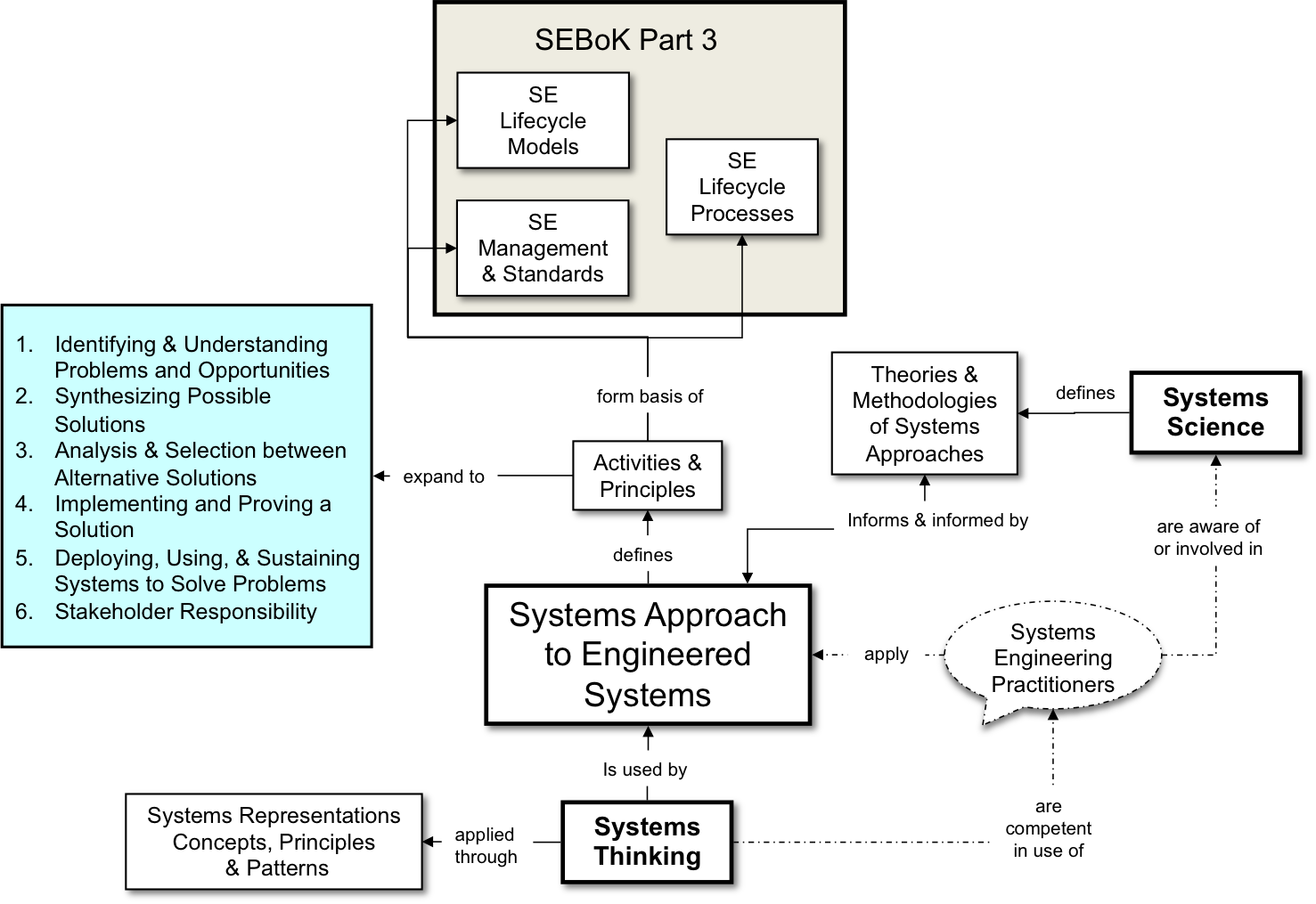
図1. システムズエンジニアリングとシステムズアプローチ。(SEBoK Original)
Systems Approach Applied to Engineered Systems
This knowledge area is graciously sponsored by PPI.
この知識領域は PPI の厚意によりスポンサーされている。
この図は原典のページに掲載されています。権利の都合により本サイトでは省略しています。原典で見る
This knowledge area (KA) provides a guide for applying the systems approach as a means of identifying and understanding complex problems and opportunities, synthesizing possible alternatives, analyzing and selecting the best alternative, implementing and approving a solution, as well as deploying, using and sustaining engineered system solutions. The active participation of stakeholders during all the activities of the systems approach is the key to the success of the systems approach.
本知識領域(Knowledge Area、KA)は、複雑な問題と機会を特定・理解し、可能な代替案を合成し、それらを分析して最良の案を選択し、解決策を実装・承認し、さらにエンジニアード・システム(Engineered System)の解決策を配備・使用・維持するための手段として、システムズアプローチ(Systems Approach)を適用するための指針を提供する。システムズアプローチのあらゆるアクティビティにステークホルダーが積極的に参加することが、システムズアプローチを成功させる鍵である。
In an engineered system context, a systems approach is a holistic approach that spans the entire life of the system; however, it is usually applied in the development and operational/support life cycle stages. This knowledge area defines a systems approach using a common language and intellectual foundation to ensure that practical systems concepts, principles, patterns and tools are accessible to perform systems engineering (SE), as is discussed in the introduction to Part 2: Foundations of Systems Engineering.
エンジニアード・システムのコンテキストにおいて、システムズアプローチはシステムの全生涯にわたる全体論的なアプローチである。ただし、通常適用されるのは開発および運用/支援のライフサイクル段階である。本 KA は、Part 2: Foundations of Systems Engineering の序論で論じられているとおり、システムズエンジニアリング(Systems Engineering、SE)を実施するために実践的なシステムの概念、原則、パターン、ツールを利用可能にすることを確実にするべく、共通の言語と知的基盤を用いてシステムズアプローチを定義する。
This KA describes a high-level framework of activities and principles synthesized from the elements of the systems approach, as described earlier in Part 2 of the SEBoK, and is mapped to the articles Concepts of Systems Thinking, Principles of Systems Thinking, and Patterns of Systems Thinking. The concept map in Figure 1 describes how the knowledge is arranged in this KA and the linkage to the KA in Part 3.
本 KA は、SEBoK の Part 2 の前段で述べられたシステムズアプローチの要素から合成された、アクティビティと原則の高レベルの枠組みを記述し、Concepts of Systems Thinking、Principles of Systems Thinking、Patterns of Systems Thinking の各記事に対応付けられる。図1 の概念マップは、本 KA において知識がどのように構成されているか、および Part 3 の KA とどう結び付いているかを示す。
図中の英語
According to Jackson et al. (2010, 41-43), the systems approach to engineered systems is a problem-solving paradigm. It is a comprehensive problem identification and resolution approach based upon the principles, concepts, and tools of systems thinking and systems science, along with the concepts inherent in engineering problem-solving. It incorporates a holistic systems view that covers the larger context of the system, including engineering and operational environments, stakeholders, and the entire life cycle.
Jackson et al. (2010, 41-43) によれば、エンジニアード・システムに対するシステムズアプローチとは問題解決のパラダイムである。これは、システム思考(Systems Thinking)とシステム科学(Systems Science)の原則・概念・ツールに、工学的な問題解決に固有の概念を加えたものに基づく、包括的な問題特定・解決アプローチである。また、エンジニアリング環境と運用環境、ステークホルダー、ライフサイクル全体を含め、システムのより大きなコンテキストを包含する全体論的なシステム観を取り入れている。
Successful systems practice should not only apply systems thinking to the system being created but should also utilize systems thinking in consideration of the way in which work is planned and conducted. See Part 5: Enabling Systems Engineering for further discussions on how individuals, teams, businesses and enterprises may be enabled to perform systems engineering.
成功するシステムの実践では、創り出すシステムにシステム思考を適用するだけでなく、作業をどのように計画し実施するかを検討する際にもシステム思考を活用すべきである。個人、チーム、企業、エンタープライズがシステムズエンジニアリングを実施できるようにする方法についてのさらなる議論は、Part 5: Enabling Systems Engineering を参照のこと。
Jackson, S., D. Hitchins, and H. Eisner. 2010. "What is the Systems Approach?." INCOSE Insight, vol. 13, no. 1, pp. 41-43.
Checkland, P. 1999. Systems Thinking, Systems Practice. New York, NY, USA: John Wiley & Sons.
Hitchins, D. 2009. "What are the General Principles Applicable to Systems?" INCOSE Insight, vol. 12, no. 4.
Jackson, S., D. Hitchins, and H. Eisner. 2010. "What is the Systems Approach?" INCOSE Insight, vol. 13, no. 1, pp. 41-43.
Hitchins, D. 2007. Systems Engineering: A 21st Century Systems Methodology. Hoboken, NJ, USA: John Wiley & Sons.
Lawson, H. 2010. A Journey Through the Systems Landscape. London, UK: College Publications, Kings College.
Senge, P. M. 1990. The Fifth Discipline: The Art and Practice of the Learning Organization. New York, NY, USA: Doubleday/Currency.